

Your cart
Your cart is empty

Have you ever really looked at the packaging you use?
Like, actually looked at it.
Once you start paying attention, it’s kind of hard to unsee. Everything we touch has layers of it. Walk down the cosmetics aisle, and it’s just… a lot. It’s such a massive category that skincare and cosmetics have an entire trade show just for packaging.
I went this year because I wanted to see what’s changed. The last time I went was in 2022. I was hoping to feel like, okay, we’re getting somewhere.
The Promise of Sustainable Packaging
There are a few things that feel genuinely exciting. One that stood out was Shellworks. They’re working with mono-materials that are actually compostable in a real way, not just theoretically. The dropper, the bottle, everything breaks down in months. That feels like mega progress.
The Reality: Greenwashing and Plastic
But most of what I saw wasn’t that.
I saw a lot of greenwashing. A lot of plastic dressed up to look like it’s not plastic. A lot of single-use everything.
And what really hit me was the shift. In 2022, sustainability was the conversation. Everyone was at least trying to move in a better direction.
This year felt different.
I sat in on a panel on the viability of sustainable packaging. I kept hearing the same thing over and over: the consumer doesn’t care.
I don’t buy that.
I think people do care. I think they care a lot. They just aren’t given real options. Or the better option is more expensive. Or harder to access. Or buried under marketing that makes everything look the same.
So it’s not that people don’t care. It’s that the system isn’t built to support them in making better choices.
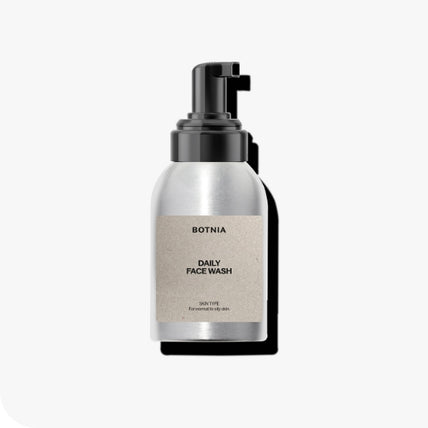
I went because I’m looking for a better bottle system for Botnia.
Aluminum, Tradeoffs, and Real Decisions
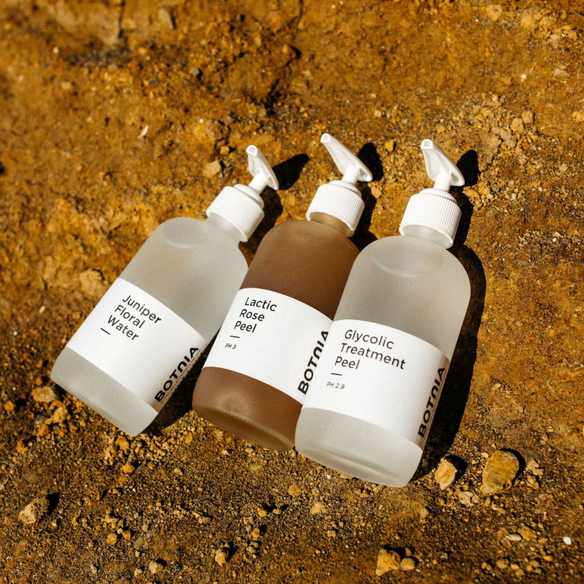
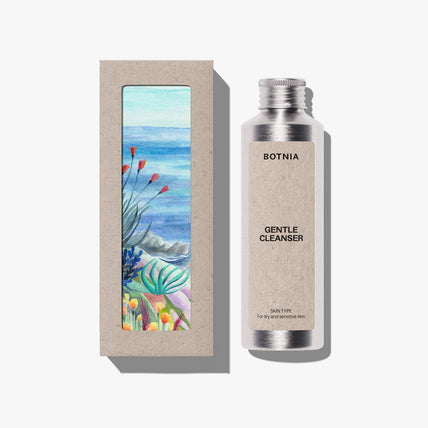
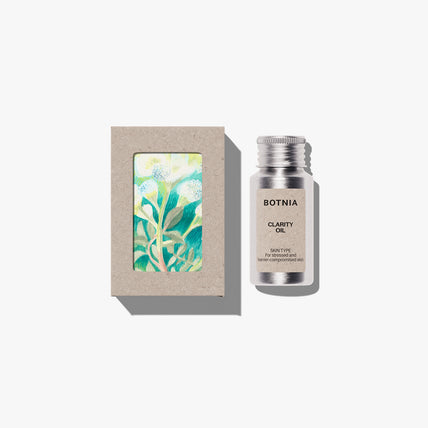
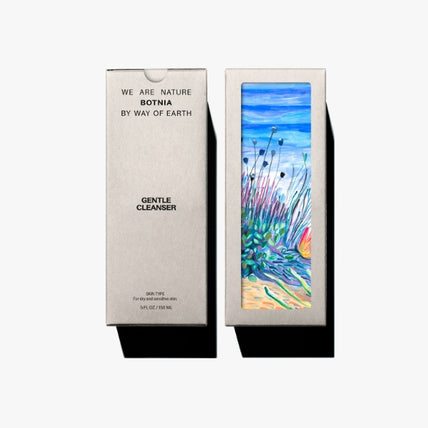
We moved into aluminum years ago because, from everything I could find, it was one of the most sustainable options. It can be recycled over and over again and actually turned into something new. Not down-cycled. Real reuse. That matters to me.
But no material is perfect.
Right now, aluminum is expensive in a way that feels almost punishing. The tariffs hit, and suddenly, something we had deeply committed to became harder to sustain. And I mean that literally. I’ve spent hundreds of thousands of dollars investing in our current packaging.
So walking that show, seeing rows and rows of aluminum suppliers, I felt this mix of pride and grief. Like, we tried. We really tried to build something better with metal.
And now I’m standing there asking… okay, what now?
Because I still have to make this work. For the business. For our team. For you.
That’s the reality of being a small brand. You don’t get to make perfect decisions. You make the best decision you can with the information and resources you have, and then the world shifts.
There is a silver lining, though.
What Comes Next for Sustainable Packaging
Being forced to look again opens the door to something that might actually be better than what we chose before.
But it’s not fast. This kind of change takes years. So no, you won’t see new packaging from us tomorrow.
There’s a lot of whiplash in this change. I think every small business feels it right now. But there’s also something progressive underneath it. Maybe a new fully compostable system that turns into dirt that feeds the plants that house our products, and we can create a full ecosystem in our skincare. The better option you deserve.
And that’s the part that made the show really exciting.